

Finding Your Perfect Match: Which Hearing Aid Style is Right for Me?
A Comprehensive Guide by Acoustik Hearing And Speech Clinic
Choosing a hearing aid is a personal journey. With advancements in technology, there's a wider array of styles, features, and discreet options than ever before. But with so many choices, how do you know which one is the best fit for your unique needs, lifestyle, and hearing loss?
At Acoustik Hearing And Speech Clinic, we understand that the "best" hearing aid isn't one-size-fits-all. It's the one that empowers you to hear clearly, comfortably, and confidently. Our experts are here to guide you through the options, even in the comfort of your home across Mumbai, Thane, and Navi Mumbai.
👂 Understanding the Main Hearing Aid Styles
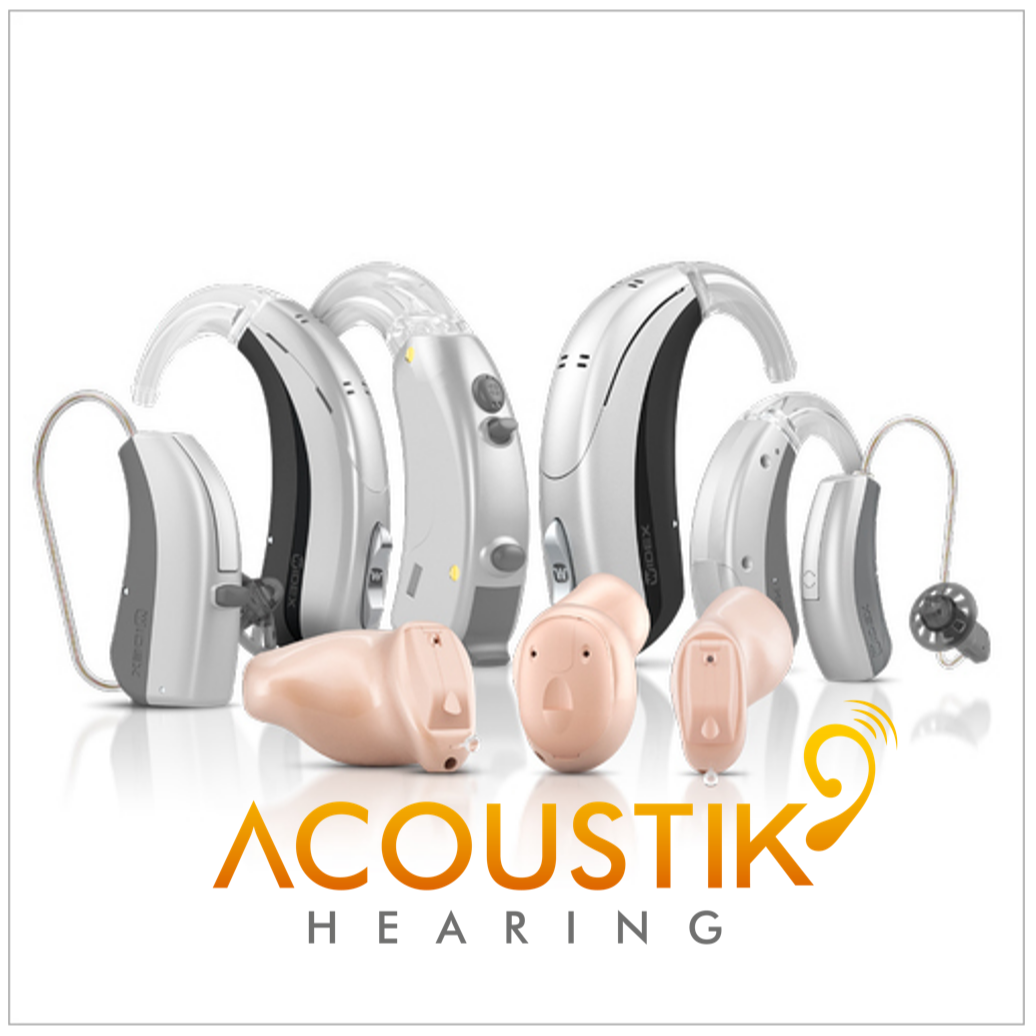
Hearing aids generally fall into two main categories: Behind-The-Ear (BTE) and In-The-Ear (ITE), with several variations within each. Let's explore them:
A. Behind-The-Ear (BTE) Hearing Aids
These models sit behind the ear, with a clear tube connecting to an earmold or a dome in the ear canal. They are often the most powerful and versatile.
-
Standard BTE:
-
Description: The largest BTE style, housing all components in a casing behind the ear. A custom earmold channels sound into the ear.
-
Pros: Most durable, easy to handle, longer battery life, highly powerful for severe to profound hearing loss, easy to clean.
-
Cons: Most visible.
-
Best For: Individuals with severe to profound hearing loss, those with dexterity issues, and children.
-
-
Receiver-In-Canal (RIC) / Receiver-In-The-Ear (RITE):
-
Description: Similar to BTE, but the "receiver" (speaker) is placed inside the ear canal, connected by a thin wire to the unit behind the ear.
-
Pros: Very popular due to smaller size, comfortable, natural sound quality (as the receiver is closer to the eardrum), often rechargeable.
-
Cons: Receiver in the ear can be vulnerable to moisture/earwax, requires careful handling.
-
Best For: Mild to severe hearing loss, those seeking a discreet yet powerful option.
-
B. In-The-Ear (ITE) Hearing Aids
These custom-made aids fit directly inside the ear, with all components housed within a single shell.
-
Full-Shell ITE:
-
Description: Fills the entire outer ear bowl (concha).
-
Pros: Easy to handle, larger controls, longer battery life than smaller ITEs, good for moderate to severe hearing loss.
-
Cons: More visible than smaller ITEs.
-
Best For: Moderate to severe hearing loss, those with some dexterity challenges.
-
-
Half-Shell ITE:
-
Description: Fills only the lower part of the outer ear bowl.
-
Pros: Smaller and less visible than full-shell, still offers easy handling and controls.
-
Cons: Not suitable for severe hearing loss.
-
Best For: Mild to moderately severe hearing loss.
-
-
In-The-Canal (ITC):
-
Description: Custom-molded to fit partly in the ear canal, barely visible in the outer ear.
-
Pros: More discreet than ITEs, good sound quality, some manual controls.
-
Cons: Shorter battery life, smaller controls can be tricky for some.
-
Best For: Mild to moderate hearing loss.
-
-
Completely-In-Canal (CIC):
-
Description: Sits entirely within the ear canal, making it almost invisible. A small removal string is typically used.
-
Pros: Highly discreet, good natural sound quality.
-
Cons: Shorter battery life, no manual controls (volume/program changes often require a remote), susceptible to earwax, not suitable for severe hearing loss.
-
Best For: Mild to moderate hearing loss, those prioritizing aesthetics.
-
-
Invisible-In-Canal (IIC):
-
Description: The smallest and most discreet option, placed deep in the ear canal, virtually undetectable.
-
Pros: Completely invisible, exceptional natural sound (using the ear's natural acoustics).
-
Cons: Shortest battery life, no manual controls, not suitable for severe hearing loss, requires very healthy ear canals, regular cleaning.
-
Best For: Mild to moderate hearing loss, those demanding ultimate discretion.
-
🤔 Factors to Consider When Choosing
-
Degree of Hearing Loss: More severe loss typically requires more power, often found in BTE or full-shell ITEs.
-
Lifestyle: Active individuals might prefer durable, sweat-resistant options. Those in quiet environments might prioritize discretion.
-
Dexterity: Smaller aids can be challenging to handle for those with limited finger dexterity.
-
Aesthetics: How important is discretion to you?
-
Ear Anatomy: Some ear canals are too narrow for certain ITE styles.
-
Features: Do you need Bluetooth connectivity, rechargeable batteries, directional microphones, or telecoils? Larger aids often accommodate more features.
-
Budget: Costs vary significantly by style and technology level.
🌟 Your Personalized Path to Better Hearing
Choosing the right hearing aid is a collaborative process. Our audiologists at Acoustik Hearing And Speech Clinic will conduct a thorough hearing assessment, discuss your lifestyle, communication needs, and preferences to recommend the best options for you.
Remember, as the best Hearing Clinic in Mumbai, we offer the unique convenience of providing hearing aid fittings and services at the comfort of your own home across Mumbai, Thane, and Navi Mumbai.
Ready to explore the best hearing solution for you? Contact Acoustik Hearing And Speech Clinic today for a personalized consultation!